Customer service in the gaming industry has never mattered more. According to Statista, the global gaming market generated $455 billion in revenue in 2024 and is on track to surpass $520 billion by 2025. With that kind of scale, a single bad support experience does not just frustrate one player. It can go viral in a community forum, tank a game’s review score, and accelerate churn in a player base that took years to build.
That is why customer support services have become a core business function for game developers, publishers, and platform operators. Digital Minds BPO, a Philippine-based business process outsourcing company with over 15 years of experience, works with gaming companies to deliver the kind of responsive, knowledgeable support that keeps players engaged and spending. In this guide, we will walk you through how gaming customer service works, what makes it different from traditional support, and why outsourcing is one of the smartest moves a growing gaming company can make in 2026.
What Is Customer Service in the Gaming Industry?
Customer service in the gaming industry refers to the specialized support systems, channels, and teams that help players resolve issues, navigate in-game experiences, and feel valued throughout their entire player journey. It covers everything from account recovery and payment disputes to technical troubleshooting, in-game guidance, and community moderation. Unlike standard customer service, gaming support operates around the clock, responds to emotionally charged players, and requires agents with genuine product knowledge and cultural fluency in gaming communities.
Customer Experience in Gaming: The Full Picture
The term customer experience describes the complete impression a player has of a game or gaming brand, shaped by every interaction from the first advertisement they encounter to the support they receive after a purchase. It includes all touchpoints, both in-game and outside it, and is influenced by factors such as user-friendliness, the quality of customer service, and the emotional connections players develop with a game and its community.
Customer experience offers a complete view of the player journey and is an essential factor in building loyalty, reducing churn, and driving long-term business success.
How Gaming Customer Service Differs from Regular Customer Service
Most customer service principles apply across industries. But gaming has a set of characteristics that make its support environment uniquely demanding. If you treat gaming support like a standard call center operation, you will miss the mark every time.
Real-Time Demands
A player stuck mid-raid or locked out of an account during a limited-time event cannot wait 24 hours for an email reply. Gaming support often requires live chat, in-game ticketing, and Discord-based responses that resolve issues in minutes, not days. Delays that would be acceptable in e-commerce or banking are deal-breakers in gaming.
Emotional Intensity
Gaming is deeply personal. Players invest hours, money, and identity into their experience. When something goes wrong, the frustration is amplified. Support agents in gaming need above-average emotional intelligence to de-escalate situations that, in other industries, would be routine complaints.
Community Dynamics
Gaming communities are vocal, organized, and fast-moving. A support failure that affects one player can become a trending topic within hours. Agents must understand community culture, monitor platforms like Reddit and Discord, and engage in ways that feel authentic rather than corporate.
Technical Complexity
Gaming support agents deal with issues that require real product knowledge: hardware compatibility, software bugs, server status, account security, and in-game economy systems. A generic script will not cut it. Agents need ongoing training as games patch and evolve.
Seasonal Spikes
Major game launches, seasonal events, and holiday promotions create sudden, massive surges in support volume. A team that is adequately staffed for normal operations can be overwhelmed overnight. Scalability is not optional in gaming support. It is a requirement.
What Comprises Exceptional Customer Service in the Gaming Industry?
Better Understanding of Player Needs and Preferences
The player base is wide and is made up of people with very different needs. Gaming customer service can be considered exceptional when developers and support teams are capable of delivering on those individual needs. One key step is to know the pulse of each player segment, study activity and behavior, and gather meaningful player data. When players feel valued, they tend to have a positive gaming experience. And when the experience is great, it builds loyalty over the long run.
Real-Time and Multichannel Support
Effective support starts the moment the player begins the game. It extends even after the session ends. Gaming customer service needs real-time support tools to enhance customer experience and satisfaction. Today, gaming companies invest in omnichannel support solutions that allow players to reach out through whichever channel fits the moment, whether that is in-game chat, email, social media, or a dedicated support portal.
Openness and Adaptability to Customer Feedback
Whether it is about response time or a hardware issue, feedback is an integral part of raising the bar on player expectations. Effective customer service allows a smooth and unfiltered flow of feedback from players, both positive and negative. The companies that act on that feedback are the ones that retain their communities long-term.
Connection with Industry Stakeholders
The fast-paced gaming industry is more competitive now than ever. Game developers and publishers work double time to create programs, events, tournaments, and community initiatives to boost player engagement levels. In addition to prizes and exciting experiences, these programs also help develop a sense of belonging and community ownership.
A vibrant gaming community fosters friendship alongside competition, and game companies must be capable of sustaining and protecting that environment.
Effective Customer Segmentation
Understanding gamers’ mindsets is vital for the growth of successful gaming companies. Player behavior is dynamic and preferences vary widely. While many PC gamers enjoy solving problems independently through developer websites and knowledge bases, console gamers generally prefer convenient support that does not interrupt their gaming experience. Recognizing these differences and designing support pathways for each segment is what separates good gaming support from great gaming support.
Player Retention and the Revenue Impact of Support Quality
Here is the business case in plain terms: poor customer service costs gaming companies real revenue. And the data backs this up clearly.
In an April 2023 Statista survey of 817 UK gamers, 42% said buggy game releases had a significant negative impact on their gaming, second only to in-game ads. When those issues are not resolved quickly and well, players leave. They do not just stop playing. They leave reviews, post on Reddit, and warn their networks. The lifetime value of a loyal gamer, who makes in-game purchases, subscribes to expansions, and recommends the game to friends, is worth protecting aggressively.
A Netomi benchmark of 3,000 gaming companies found an average response time of 39 hours. Of those companies, 76% ignored a simple customer service email entirely. Nearly two days is a long wait for a player who has just lost a purchase or an account. That wait is often the difference between a player who stays and one who churns.
Strong customer experience in gaming directly supports three revenue drivers: lower churn, higher in-game spending from satisfied players, and organic growth through positive word-of-mouth in tight-knit gaming communities. Investing in gaming customer support is not a cost center decision. It is a growth decision.
Most Common Gaming Customer Service Issues
In-App Guidance
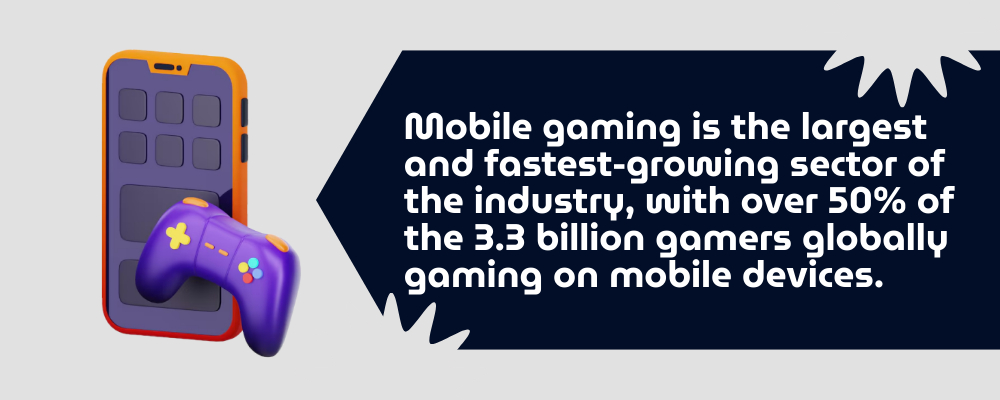
Both new and seasoned gamers look for clear, consistent in-game guidance. Vague or poorly explained mechanics are one of the most frequent sources of player frustration. When confusion arises, instant support is vital to maintaining satisfaction and loyalty. This is especially true in mobile gaming, where over 50% of the world’s 3.3 billion gamers play, and the bar for frustration tolerance is lower than on PC or console.
Hardware and Software Issues
Players regularly run into issues with gaming consoles, controllers, hardware peripherals, and software. Support agents need to be skilled at troubleshooting a wide range of problems across devices and operating systems. In Statista’s 2023 survey of UK gamers, 42% said buggy game releases had a significant negative impact on their gaming. Technical support is one of the highest-volume categories in any gaming support operation. Gamers expect prompt resolution, whether that means a quick fix, a software update, or a replacement.
Social Media Discussions
In the world of gaming, community discussions tend to be more intense than typical online conversations. For competitive gaming especially, online exchanges can escalate quickly. Maintaining a peaceful, ethical, and inclusive environment across social media and community platforms is one of the biggest ongoing challenges in gaming customer support.
Companies address this through community moderation. This type of support is crucial to keep games and competitive platforms safe for players of all ages and backgrounds.
Payments and Subscription Problems
Sometimes payments do not go through, gamers want refunds, or there are billing discrepancies tied to in-game purchases, DLC, or subscriptions. These issues carry financial weight and require fast, accurate resolution. A frustrated player who loses money, or who thinks they did, is far more likely to churn than a player dealing with a technical glitch alone.
Top Channels for Gaming Customer Support
In-Game and Live Chat Support
In-game chat and live chat support allow players to get help without leaving the app or platform. This keeps them engaged with the product and provides a frictionless support experience. For gaming companies offering in-app customer support, this channel typically drives the highest satisfaction scores because it meets players exactly where they are. Learn more about the benefits of live chat support outsourcing and how it compares to other channels.
Online Communities, Discord, and Social Networks
Gamers thrive on community. They post questions, share tips, report bugs, and celebrate wins across Discord servers, Reddit threads, Steam forums, and social media. Monitoring and actively engaging these channels is not optional for gaming companies that want to maintain player trust. Support teams that manage gaming content moderation in these spaces help protect the community tone and catch issues before they escalate.
Discord in particular has become a primary support channel for many gaming studios, with dedicated support bots handling Tier 1 queries and human agents handling escalations in real time.
Email Support
As one of the most preferred methods for customer support communication, email remains a significant channel for gaming companies. It is the right fit for complex issues that require documentation, for billing disputes, and for formal account recovery cases. For gaming support, the standard is a reply within 24 hours, though best-in-class teams target much faster turnarounds for priority tickets.
Phone Support
While phone support is less central in gaming than in other industries, it remains the preferred channel for high-stakes issues: billing disputes involving significant sums, account compromises, and enterprise or partnership inquiries. Having a phone option signals seriousness and accessibility, particularly for older demographics and players dealing with issues where a real conversation is necessary.
Self-Service Portals and Knowledge Bases
A well-built self-service portal can deflect a significant percentage of Tier 1 tickets before they ever reach a human agent. FAQs, video tutorials, patch notes, troubleshooting guides, and account management tools allow technically confident players, especially PC gamers, to solve problems on their own terms. This reduces support volume, cuts costs, and improves satisfaction for players who prefer independence.
AI and Automation in Gaming Support: Enhancing Human Agents
Automation and AI tools are changing how gaming support teams operate. But the goal is not to replace human agents. It is to free them up for the complex, high-empathy interactions where human judgment makes a real difference.
Chatbots for High-Volume FAQs
Chatbots handle repetitive, predictable queries at scale: server status checks, password resets, common billing questions, and basic account lookups. This means a player gets an instant answer at 3 AM on a Sunday, and your human agents start their shift with a queue that contains the issues that actually need their expertise.
Automated Ticket Routing
Intelligent routing systems categorize and prioritize incoming tickets automatically, matching them to the right agent skill set and urgency level. This means a billing dispute goes to an agent who knows the payment system, while a technical crash report goes to someone with product expertise. Routing accuracy directly reduces handle time and resolution cycles.
AI-Assisted Troubleshooting
AI tools can surface relevant knowledge base articles, past ticket resolutions, and suggested responses in real time as an agent works through a case. The agent still makes the judgment call. But they are better informed and faster. This is the right model: AI as a tool in the hands of skilled human agents, not a substitute for them.
Automation can answer routine questions, such as a password reset or the status of a known bug, so human agents have time for the cases that need judgment, like a disputed purchase or a hacked account. That kind of efficiency comes from combining the strengths of both, not choosing one over the other.
Gaming Customer Service KPIs and Benchmarks
You cannot improve what you do not measure. Gaming support teams that perform at a high level track a specific set of metrics that reflect the unique demands of the industry. Here are the KPIs that matter most, along with the benchmarks strong gaming support operations aim for.
| KPI | What It Measures | Gaming Industry Benchmark |
|---|---|---|
| CSAT (Customer Satisfaction Score) | Post-interaction satisfaction rating from the player | 4.0+ out of 5.0 (80%+ positive) |
| First Response Time (FRT) | Time from ticket submission to first agent reply | Under 1 hour for live chat; under 12 hours for email |
| First Contact Resolution (FCR) | Percentage of issues fully resolved in one interaction | 70-80% across channels |
| Average Handle Time (AHT) | Average time to fully resolve a ticket from open to close | Under 10 minutes for Tier 1; under 30 minutes for Tier 2 |
| Ticket Backlog Rate | Number of unresolved tickets relative to incoming volume | Below 5% backlog at end of shift |
| Churn After Support Contact | Percentage of players who leave after a support interaction | Below 10% for well-handled cases |
Tracking these metrics consistently is what separates reactive gaming support from a proactive, performance-driven operation. If your current support partner cannot report against these KPIs, that is a signal worth paying attention to.
Reasons Why Outsourcing Gaming Support Is a Practical Choice
It Helps Reduce Costs
Building an in-house gaming support team is expensive. Recruiting, training, tooling, management overhead, and infrastructure all add up before a single ticket is resolved. Outsourcing allows gaming companies to reduce those costs significantly while gaining access to a ready-trained team. It also allows you to scale capacity up or down based on game launch cycles, seasonal events, and player volume, a flexibility that in-house teams simply cannot match.
Gaming Companies Can Deliver Personalized Support
When gamers contact support, they expect more than a canned response. Outsourcing gaming customer support services means relying on human agents who are trained on your game, your community culture, and your brand voice. This delivers a more personalized, high-quality experience that reflects well on your product and keeps players coming back.
Outsourcing Companies Specialize in Customer Service Solutions
Expertise is one of the cornerstones of exceptional support. BPO firms that specialize in gaming support delegate tasks like in-game issue resolution and community moderation to experienced staff who understand the environment. This depth of specialization is difficult and expensive to replicate in-house, especially for studios that are primarily focused on product development.
BPO Firms Cover Multiple Support Channels
One of the clearest advantages of outsourcing gaming support is the ability to cover multiple channels from a single partner. From live chat and email to phone, Discord management, and self-service portal support, a quality BPO firm brings the technology and the trained staff to handle every touchpoint. This is more cost-effective and operationally simpler than building separate in-house capabilities for each channel.
Remote Support Staff Can Monitor and Control Support Requests
Having a reliable service provider allows gaming companies to focus on core functions: building better games, shipping updates, and growing their player base. Instead of managing an in-house support department, your dedicated remote team handles player requests across all channels and time zones. This saves money, time, and management bandwidth, and lets your internal team focus on what they do best.
In-House vs. Outsourced Gaming Support: A Direct Comparison
If you are weighing whether to build an in-house team or partner with a top gaming customer support company, this comparison covers the factors that matter most.
| Factor | In-House Team | Outsourced Partner |
|---|---|---|
| Cost per agent (monthly) | $3,500 – $6,000+ (US/UK/AU) | $924 – $1,764 (Philippines) |
| Scalability | Slow; tied to hiring cycles | Fast; scales with game launches and seasonal spikes |
| Gaming expertise | Variable; requires internal training program | Pre-trained staff with gaming support experience |
| 24/7 availability | Costly; requires shift premiums and overtime | Included; standard operating model in BPO |
| Language coverage | Limited to local talent pool | Multi-language teams available across regions |
| Channel coverage | Requires separate tools and training per channel | Omnichannel capability built in |
| Management overhead | High; dedicated HR, QA, and supervisory layers | Included in the outsourcing engagement |
For a deeper look at the trade-offs, read our full breakdown of the pros and cons of outsourcing customer service.
What Our Experience Supporting Gaming Companies Has Taught Us
After 15 years of building customer support teams across industries, Digital Minds BPO has learned that gaming is one of the most demanding support environments to staff well. Here is what consistent experience reveals.
Agent product knowledge is the single biggest differentiator. Players can tell immediately when a support agent does not understand the game. Shallow scripts fail in gaming. Teams that invest in thorough product training and keep agents updated with every patch and major update are the ones that earn consistently high CSAT scores.
Churn happens fast and quietly. The players most at risk of leaving are not always the ones who file tickets. Many frustrated players simply disengage and uninstall. Proactive community monitoring, sentiment analysis in support data, and fast resolution of systemic issues are what catch those signals before they become losses.
Seasonal spikes are predictable, but only if you plan ahead. Game launches, major updates, and holiday events are not surprises. Studios that share their roadmap with their support partner in advance can have a scaled team in place before the surge hits. Those that do not end up with a backlog that takes weeks to clear and leaves players waiting.
The 94% client retention rate Digital Minds BPO maintains reflects what happens when a support partner understands the business deeply enough to operate as an extension of your team, not just a ticket-handling vendor. That is the partnership model that drives real results in gaming and beyond.
Build a Reliable Gaming Support Team with Digital Minds BPO
With the gaming industry continuously evolving, companies and game developers need to give serious focus to the needs of their players. The shift in platforms, player expectations, and support technology means that reactive support is no longer enough. Proactive, skilled, and scalable gaming customer service is now a competitive advantage.
Digital Minds BPO offers a proven and reliable customer support team purpose-built for gaming companies. Our trained agents handle support requests, monitor communities, and answer inquiries across email, live chat, phone, and Discord. With 300+ professionals across three dedicated facilities in Naga City, Philippines, and a 94% client retention rate built over 15 years, we deliver the consistency and quality that gaming companies need to grow. Your players will always have someone knowledgeable in their corner, and you will have the freedom to focus on building great games.
To understand why great support matters across every business, read our guide on why customer service is important.
Frequently Asked Questions
What is customer service in the gaming industry?
Customer service in the gaming industry refers to the specialized support systems and teams that help players resolve issues throughout their gaming journey. This includes technical troubleshooting, account recovery, payment disputes, in-game guidance, and community moderation. Unlike standard customer service, gaming support runs around the clock, handles emotionally engaged users, and requires agents with genuine product knowledge of the games and platforms they support.
How is gaming customer service different from regular customer service?
Gaming customer service differs from standard support in several important ways. It demands real-time responses (players mid-game cannot wait 24 hours), higher emotional intelligence due to the personal investment gamers make, deep technical product knowledge that changes with every patch or update, and the ability to manage vocal online communities across Discord, Reddit, and social media. Seasonal spikes from game launches and events also require scalability that most standard support setups cannot accommodate quickly.
What are common customer service issues in gaming?
The most common issues in gaming customer support include hardware and software bugs (the second-most-cited problem among UK gamers in a 2023 Statista survey), unclear in-app guidance and game mechanics, payment and subscription problems, account access and security issues, and toxic behavior in online communities. Each of these requires a different support skill set, which is why gaming support teams need specialized training rather than a generic customer service approach.
Why is customer service important in gaming?
Customer service is important in gaming because player retention is directly tied to support quality. A satisfied player is more likely to make in-game purchases, renew subscriptions, and recommend the game to others. A poorly handled support interaction, on the other hand, accelerates churn and generates negative reviews in tight-knit gaming communities. With the global gaming market at $455 billion in 2024 (Statista), the revenue at stake from poor support is substantial.
Should gaming companies outsource customer support?
For most gaming companies, outsourcing customer support is a cost-effective and scalable solution. Building an in-house team with 24/7 coverage, multi-channel capability, and multilingual agents is expensive and slow to scale. A quality outsourcing partner provides trained agents, established infrastructure, and the flexibility to increase or decrease team size as game launches and player volumes change. Companies that outsource to a specialist partner often see lower cost per resolution, better CSAT scores, and faster response times than they could achieve internally.

Charvel Rebagay is the CEO and Founder of Digital Minds BPO, a Philippines-based outsourcing company he established in 2010. Based in Naga City, he works directly with clients and teams daily to ensure service quality across every engagement. With over 15 years of experience building and managing dedicated teams for businesses worldwide, Charvel has helped hundreds of companies scale their operations through skilled Filipino professionals. Under his leadership, Digital Minds BPO operates 3 dedicated facilities with a 94% client retention rate, serving Fortune 500 clients including P&G and Petron.