Over the years, the outsourcing industry has shown incredible resilience in the face of drastic changes brought by emerging trends. The efficiency of outsourcing services has tremendously helped companies around the world to secure a competitive edge. Nowadays, outsourcing is no longer a simple trend but a necessity for most organizations.
With outsourcing partnerships paving the way to new opportunities, many companies rely on industry trends to thrive. As the industry continues to evolve, BPO companies are quickly shifting their focus to strategic partnerships that go beyond cost savings. We’ve been in the outsourcing landscape for more than a decade, and we have witnessed trends shaping the industry.

Now, we are sharing with you some of the trends to watch that will shape 2025 and beyond. These trends in outsourcing are expected to make way for successful outsourcing projects and improved outsourcing relationships. Curious about how these trends will shape the future of the outsourcing world? Read more.
Top reasons why companies outsource their functions
Lower labor costs
According to a Deloitte report, approximately 70% of companies use outsourcing to cut costs. With several BPO companies located in countries with a lower cost of living, outsourcing provides a lot of cost-saving benefits.
For example, outsourcing customer support to BPO firms located in the Philippines will cost around $12 to $14 per hour. Outsourcing to a provider with lower labor costs can lead to significant savings compared to the $24 to $28 rates in the US and Europe.
In-house teams can focus better on core activities.
Outsourcing non-core activities allows businesses to focus on functions and services that generate revenue. Research reveals that organizations that outsource back-office functions prioritize cost savings, efficiency, and a better focus on core functions. By doing so, businesses can invest more in research and product development.
Access to seasoned global talent.
Outsourcing partners offer more than modern strategies. More than anything, top BPO companies take pride in deep industry knowledge driven by a strong workforce. Meaning, businesses can work with seasoned experts in various fields and have a globally competitive remote team.
More advanced and stringent cybersecurity measures.
Data security has always been a major area of concern for businesses. But nowadays, BPO firms are focusing strongly on cybersecurity and compliance to strengthen ties with organizations. The emergence of cloud services continues to impress businesses of all sizes that need effective data protection strategies.
Ability to connect with clients in different time zones.
Outsourcing is evolving into a dynamic industry that balances cultural alignment and operational efficiency. Working from different time zones was seen as a “disadvantage” and even a “dealbreaker” before. Nowadays, companies worldwide are taking advantage of different time zones to operate 24/7 and connect with clients worldwide.
Access to the latest technologies and equipment.

To produce higher-value work, access to modern technological innovations should be free. That’s the actual point of outsourcing. BPO firms invest in the latest technologies, including new software and equipment, to ensure smooth and prompt delivery of services. They have also mastered exploring different project management tools and choosing what’s best for them and their partners.
Streamlined operations.
With the availability of innovative options mentioned above, more and more businesses are trying to outsource to streamline operations. Modern approaches in BPO help organizations enhance workflows in support services like data entry, human resources, marketing, and administrative assistance.
A closer look at the global outsourcing workforce.
These trends and best practices are set to define the future of outsourcing.
1. Artificial Intelligence and Machine Learning models to streamline processes further.
AI-powered processes are expected to pave the way for efficient and more cost-effective solutions. Invoice processing, fraud detection and mitigation, and quality assurance and monitoring are among the top processes that AI is aiming to improve.
In the foreseeable future, AI development will enhance Service Delivery Automation (SDA) approaches. For example, hyper-automation will aid in automating repetitive tasks and integrating advanced strategies for analytics and decision-making.
2. Better remote working arrangements.
Outsourcing has evolved in many areas, including working arrangements. During the height of the COVID-19 pandemic, remote outsourcing intensified the need for flexible working arrangements. Research in 2020 found that around 40% of BPO employees in the Philippines work from home.
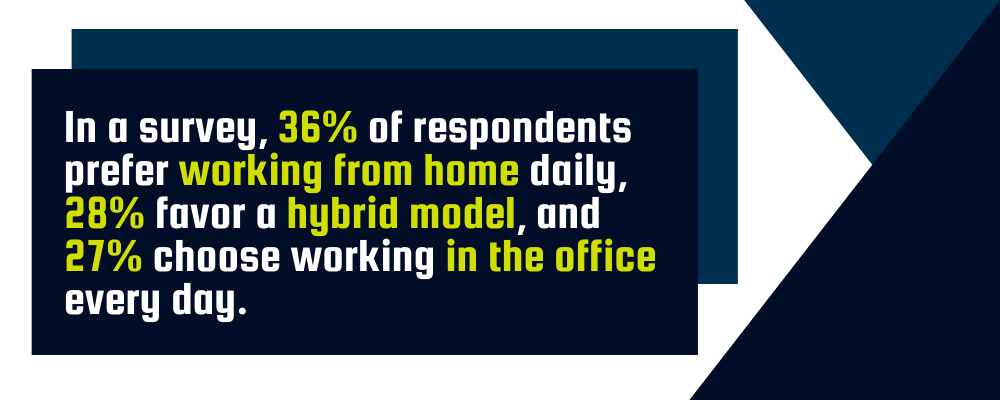
2024 statistics suggest that 14% of the US workforce works from home. That is approximately 22 million adults. The technology industry boasts the largest number of employees working remotely, at 67.8%. The trend continues with hybrid work setups, which aim to maintain productivity while prioritizing the much-needed work-life balance among employees.
3. Knowledge Process Outsourcing will evolve into more strategic collaborations.
Despite the continued rise of automation and AI to streamline business processes, more companies are still investing in manpower with proven expertise to get tasks done. Knowledge Process Outsourcing (KPO) companies make it easier for businesses to connect with seasoned professionals around the world. A great example of the benefits of KPO is the competitive and prompt delivery of services.
A good example of this is when businesses hire third-party companies to perform specific tasks under specific standards and metrics. Let’s say an e-commerce company taps the help of an advertising company to provide graphic design services. The company collaborates with experts to ensure high-quality outputs and thorough checks of all key metrics.
4. Offshoring vs. Nearshoring
Gone are those days when businesses had limited choices when outsourcing their operations. Nowadays, nearshore outsourcing is gaining popularity among different industries. This is due to the relatively lower risk that outsourcing to a nearby service provider brings. Nearshoring offers an edge in terms of quality assurance and control. While offshoring’s main strength remains focused on gaining access to global expertise. Thanks to its wider scope.

Nevertheless, both outsourcing types continue to provide several benefits to their clients. Depending on their needs, offshoring and nearshoring can help businesses thrive in the changing industry landscape. Experts predict that more flexible outsourcing models will be available in the future. With this, businesses can leverage new technologies and utilize global talent to gain an advantage.
5. Multiple outsourcing providers will transform the BPO industry.
Think having a single BPO partner will do the trick? Think again. The days when business owners struggled to pick their service provider are officially over. Multisourcing involves using several suppliers or vendors to meet a company’s needs rather than relying on one service provider.
This approach is ideal for business functions involving several processes. Different suppliers can be involved in each process, promoting flexibility and efficiency. Multisourcing enables businesses to take advantage of the skills of various providers, minimize risk, and enhance agility.
6. Robotic Process Automation to optimize business processes.

Robotic Process Automation (RPA) is increasingly being utilized by organizations to significantly optimize their business processes. RPA improves efficiency by automating repetitive tasks, enabling employees to concentrate on more strategic activities that need critical thinking and creativity. Among the great examples of processes that could benefit from RPA are back-office functions like data entry and payroll processing.
This technology not only streamlines operations but also minimizes errors, leading to improved accuracy and productivity within the organization. The integration of RPA into various departments can ultimately change how businesses operate, providing a competitive advantage in a fast-evolving industry.
7. More startups and small businesses will use outsourcing to gain a competitive edge.
In the coming years, we can expect to see more small businesses turning to outsourcing as a strategic method to enhance their competitive advantage. These businesses seek to improve operations, cut costs, and concentrate on their main strengths by utilizing external resources and expertise.
This shift allows them to save time and money, while also improving their ability to innovate and respond to market demands quickly. Overall, outsourcing is becoming an essential tool for small businesses striving to thrive in an increasingly competitive environment.
8. Business Process Outsourcing will focus beyond reducing costs.
Business Process Outsourcing (BPO) is evolving and will increasingly focus not just on the primary goal of cutting costs. Companies are recognizing that BPO provides strategic benefits, including improved efficiency, better service delivery, and access to specialized expertise.
As this trend continues to develop, the emphasis will shift towards leveraging technology and innovation to excel in the market. This broader focus will ultimately lead to a more comprehensive understanding of the value that BPO can bring to organizations.
9. Chatbots are expected to significantly elevate customer experience.
Chatbots are expected to improve customer experience by offering instant help, personalized interactions, and 24/7 support. As businesses increasingly adopt this technology, they can streamline communication and address customer inquiries more efficiently than ever before.
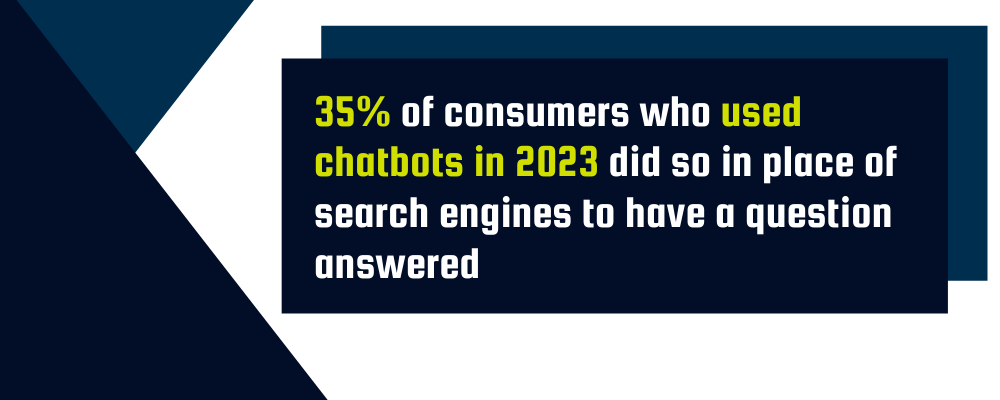

Integrating artificial intelligence will allow chatbots to understand and respond to customer needs in real-time, providing a smooth and satisfying experience. Overall, the integration of chatbots into customer service strategies is set to revolutionize how businesses engage with their client base.
10. More call centers will leverage outsourcing to improve customer satisfaction.
As the demand for enhanced customer service continues to grow, an increasing number of call centers will rely on outsourcing strategies to not only cut costs but also to significantly improve overall customer satisfaction.
This approach allows them to access specialized expertise and resources that can lead to more efficient service delivery and a boost in engagement with customers. By collaborating with established outsourcing partners, call centers can ensure that they meet the high expectations of their customers. Thus, the trend toward outsourcing in call centers is expected to rise steadily, ultimately benefiting both businesses and their customers.
When it’s time to outsource, trust a reliable partner like Digital Minds BPO.
When outsourcing business processes, choose a trusted partner who can handle operations professionally. Digital Minds BPO stands out as a reliable option, offering high-quality services tailored to meet your specific needs.
Our commitment to excellence and customer satisfaction ensures that your business can focus on its core activities while we manage your important tasks efficiently. Ultimately, partnering with Digital Minds BPO can lead to improved productivity, reduced costs, and enhanced performance for your organization.