Healthcare process outsourcing has become one of the most effective strategies available to medical organizations in 2026. The pressure on healthcare providers has never been greater: rising operational costs, staffing shortages, evolving regulations, and growing patient expectations are all competing for attention at the same time. Business process outsourcing gives healthcare organizations a way to meet these demands without sacrificing the quality of care that patients deserve.
The numbers tell a clear story. According to Black Book Market Research, 90% of hospital leaders say outsourcing improved their organization’s financial stability. Meanwhile, research published in the Annals of Internal Medicine found that physicians spend nearly 49% of their workday on electronic health records and administrative tasks, with only about 27% devoted to direct patient care. Healthcare process outsourcing directly addresses that imbalance, giving clinical staff the time to do what they were trained to do.
Curious about how it works, which services qualify, and what to look for in a partner? Keep reading. This guide covers everything you need to know.
What Is Healthcare Process Outsourcing?
Healthcare process outsourcing is the practice of contracting third-party service providers to handle specific medical and health-related functions. These functions range from administrative work, including billing, coding, and IT support, to more specialized services such as telehealth, radiology reading, and laboratory support. The goal is straightforward: allow healthcare organizations to operate more efficiently by delegating non-core tasks to specialists who can handle them at lower cost and with greater expertise.
To understand the broader context of outsourcing models available to your organization, see our guide on the 11 types of outsourcing.
Why Do Companies Outsource Healthcare Processes?

Many healthcare organizations are turning to outsourcing partners precisely because the benefits are measurable and immediate. Here are the key reasons, backed by data.
Enhance Operational Efficiency
Outsourcing removes non-core tasks from your internal team’s plate. Instead of spreading clinical staff across administrative work, you can concentrate their expertise where it matters most. Your BPO partner handles the support functions, your team delivers care. The result is a faster, more focused organization without the overhead of expanding internal departments.
Reduce Costs Significantly
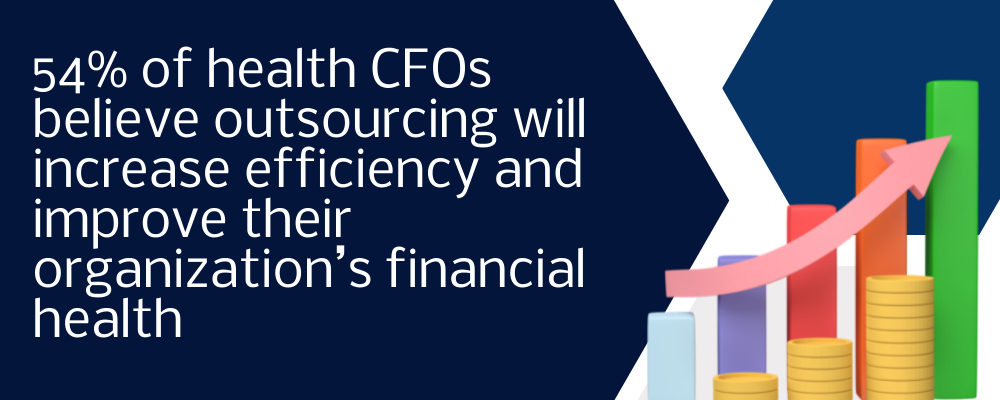
Healthcare organizations can significantly reduce expenses by outsourcing essential functions like claims processing, medical billing, and various administrative tasks, thereby lowering overhead, labor costs, and the need for in-house infrastructure. Medical Healthcare Solutions Inc. estimates that billing errors alone cost the medical sector approximately $20 billion annually. Partnering with a specialist reduces those errors and the financial damage that follows.
Focus on Core Competencies
By entrusting non-essential tasks to a qualified third-party provider, healthcare professionals can sharpen their focus on patient care, which is their primary mission. When administrative burden drops, clinical quality rises. That is not a hypothesis; it is a pattern confirmed across thousands of healthcare organizations that have made the transition.
Access Expertise and Advanced Technologies
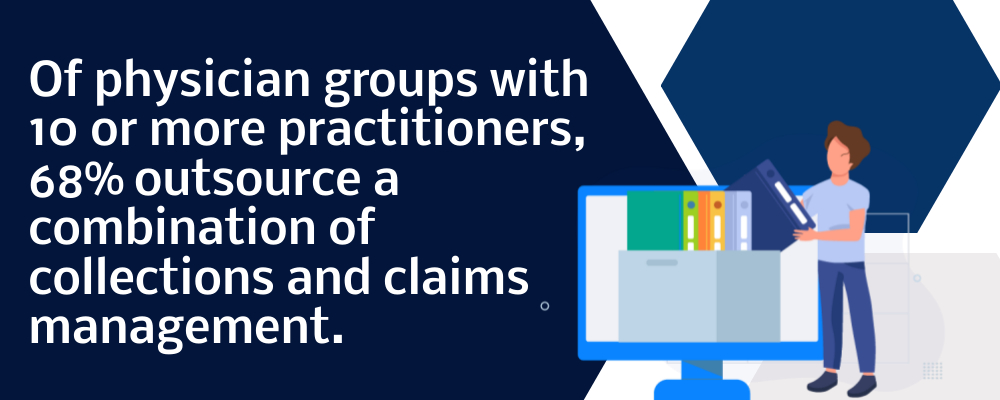
Outsourcing organizations invest heavily in specialized skills and advanced technology, including the optimized software that would be cost-prohibitive for individual healthcare practices to acquire independently. Your outsourcing partner stays current with regulatory changes, coding updates, and platform upgrades so you do not have to.
Improve Flexibility and Scalability
Healthcare demand is seasonal, unpredictable, and often volatile. BPO allows organizations to scale their support operations up or down based on patient volume and operational needs, without the hiring and termination cycles that create internal disruption. You get a flexible cost structure that moves with your business, not against it.
Ensure Regulatory Compliance
Expert outsourcing partners maintain deep knowledge of complex healthcare regulations, helping providers avoid expensive penalties. According to UpGuard, HIPAA violations carry penalties ranging from $100 to $50,000 or more per violation, depending on the level of negligence. A qualified BPO partner trained in HIPAA compliance is a meaningful layer of risk protection, not just a cost center.
Elevate Service Quality and Patient Experience
By outsourcing administrative and support roles, healthcare providers can achieve faster response times, more personalized care, and higher patient satisfaction. According to Salesforce, 68% of healthcare consumers now expect real-time engagement when they interact with a provider. A skilled BPO team handling scheduling, follow-ups, and patient communications helps you meet that standard consistently.
Clinical vs. Non-Clinical Healthcare Outsourcing: What Is the Difference?
Not all healthcare outsourcing looks the same. Before you engage a partner, it helps to understand the two primary categories: clinical and non-clinical services. Each serves a different purpose and requires a different type of provider expertise.
Clinical outsourcing involves services that are directly tied to patient care and medical decision-making. These require licensed or highly specialized professionals. Non-clinical outsourcing covers the administrative and operational infrastructure that keeps a healthcare organization running, without directly touching patient care.
| Category | Examples | Primary Goal |
|---|---|---|
| Clinical | Telehealth, teleradiology, clinical research support, pharmacy benefit management, lab services | Extend clinical reach and specialist access |
| Non-Clinical | Medical billing, coding, claims processing, data entry, appointment scheduling, IT support, compliance management | Reduce administrative overhead and improve operational efficiency |
Most small to mid-sized healthcare organizations begin with non-clinical outsourcing, where the ROI is fastest and the transition is lowest-risk. Clinical outsourcing typically comes later, once trust and processes with the partner are well established. For a more detailed look at specific functions, see our breakdown of top healthcare outsourcing services.
What Are the Most Outsourced Healthcare Processes?
Medical Coding and Billing
Medical billing and coding remain the most commonly outsourced healthcare functions. Most BPO firms working in this space maintain teams with deep knowledge of ICD-10, CPT codes, and payer requirements. When coding is done correctly, reimbursements arrive faster and denials drop. When it is done incorrectly, your practice absorbs the cost of rework, appeals, and potential compliance exposure.
Revenue Cycle Management
Revenue cycle management (RCM) covers the entire financial journey of a patient encounter, from eligibility verification before an appointment to final payment collection after services are delivered. Outsourcing RCM gives healthcare organizations a consistent, end-to-end process managed by professionals whose sole focus is optimizing your cash flow. A strong RCM partner reduces days in accounts receivable, improves clean claim rates, and identifies denial patterns before they become chronic revenue leaks.
Claims Processing
Insurance claims processing is time-consuming, detail-intensive, and prone to errors that compound quickly. Outsourcing this function to a trained team reduces processing time, decreases denial rates, and keeps your revenue pipeline moving. Providers who struggle with claims backlogs often find that an experienced outsourcing team clears the queue in a fraction of the time an in-house team would require.
Medical Transcription
Medical transcription requires high levels of focus and attention to detail. Accurate patient records are the foundation of safe, coordinated care. Outsourcing this function gives healthcare organizations access to trained transcriptionists and modern speech-recognition-assisted tools, ensuring records are complete, timely, and compliant with documentation standards.
Appointment Scheduling and Patient Support
The healthcare industry is dynamic and often understaffed. With support from a reliable BPO partner, healthcare professionals can effectively manage their calendars for consultations, follow-ups, and administrative coordination. A virtual medical receptionist can handle inbound patient calls, route inquiries, and manage medical appointment scheduling, freeing clinical staff to focus on high-priority tasks without compromising the patient experience.
Reputable BPO providers offer round-the-clock support solutions, answering patient inquiries, managing scheduling, and handling routine communications 24 hours a day, seven days a week.
Data Management and Analytics
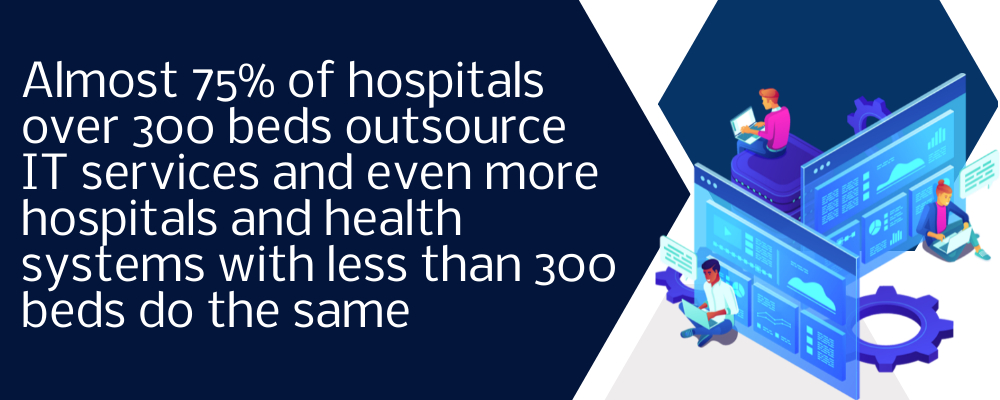
Healthcare organizations generate enormous volumes of data: patient records, clinical outcomes, billing histories, and operational metrics. Outsourcing data management and analytics gives providers access to advanced software and trained analysts who can turn raw data into actionable insights. This means better clinical decision-making, more accurate forecasting, and a clearer picture of where your operations can improve.
Data analytics, when done well, keeps healthcare facilities aligned with best practices and prepared for changes in the global health landscape. According to the Journal of Medical Practice Management, outsourcing credentialing alone can reduce processing time by up to 50%, demonstrating how targeted data-driven outsourcing can deliver measurable operational gains.
Potential Challenges of Healthcare Process Outsourcing (and How to Mitigate Them)
Healthcare outsourcing is not without its complications. A balanced evaluation means understanding the risks alongside the benefits, and knowing what to look for in a partner who takes those risks seriously.
Data Security and Patient Privacy
Patient data is among the most sensitive information any organization handles. The concern about sharing that data with a third party is legitimate. The mitigation comes down to due diligence: verify that any potential partner is HIPAA-compliant, ask for proof of staff training certificates, request a Business Associate Agreement (BAA), and confirm that physical security controls, such as restricted production floor access, no personal devices policies, and 100% activity recording, are in place before you sign.
Communication and Time Zone Gaps
Working with a team in a different time zone can create coordination friction if not managed proactively. The solution is to establish clear communication protocols upfront: dedicated points of contact, regular check-ins, shared project management tools, and agreed response time standards. The right partner builds these into onboarding as a matter of course, not as an afterthought.
Quality Control
Coding errors, transcription mistakes, and billing inaccuracies have real financial consequences. Before engaging any outsourcing partner, ask about their quality assurance process: how errors are caught, how they are corrected, and what metrics they track. A reliable partner provides performance data, not just assurances. Look for client retention rates and average partnership durations as proxy indicators of sustained quality.
Keeping Pace with Regulatory Changes
Healthcare regulations change frequently. An outsourcing partner that was compliant last year may not be current this year if they have not invested in ongoing training and compliance monitoring. Ask prospective partners how they stay current with HIPAA updates, payer policy changes, and coding revisions. The answer will tell you a great deal about how seriously they take the responsibility.
Why the Philippines Is a Leading Healthcare Outsourcing Destination
When healthcare organizations evaluate where to outsource, the Philippines consistently ranks among the top destinations. The reasons are practical and well-documented.

English proficiency in the Philippines is among the highest in Asia, which matters significantly in healthcare contexts where precise language reduces errors and improves patient communication. The country’s cultural alignment with Western patients, shaped by decades of serving US, UK, and Australian clients, means Filipino professionals understand the expectations and communication norms of those markets intuitively.
On the cost side, according to MicroSourcing, outsourcing to the Philippines can save organizations up to 70% in wages compared to equivalent US-based hires. That is not a marginal saving. For a team of five billing specialists, the difference compounds into hundreds of thousands of dollars annually.
Perhaps most importantly for healthcare specifically, the Philippines has developed a HIPAA-ready workforce. Many BPO providers operating there train staff on HIPAA Privacy and Security standards through accredited programs, making compliance verification straightforward rather than speculative.
What Is the Current State of the Healthcare BPO Industry?
The healthcare BPO industry is experiencing substantial and sustained growth. According to Markets and Markets, the global healthcare BPO market is valued at approximately $424.76 billion in 2026, and it is projected to reach $734.86 billion by 2030, growing at a compound annual growth rate of 14.7%. That trajectory reflects how deeply outsourcing has become embedded in how healthcare organizations operate.
The financial pressure driving this growth is real. A Deloitte survey found that only 3% of health system executives viewed the 2024 outlook positively, with cost containment and operational efficiency ranking as the top priorities. Outsourcing is one of the most direct levers available to address both.
Among the key trends shaping the landscape are the increasing integration of AI and Robotic Process Automation (RPA) into back-office functions, a shift toward higher-value service offerings, and a heightened focus on patient-centric care. AI and RPA tools are being deployed to handle repetitive tasks such as claims routing and appointment reminders, freeing experienced human agents to manage complex cases, patient escalations, and exceptions that require judgment and empathy. Technology in this context enhances what skilled teams can do; it does not replace the human connection that healthcare requires.
Employment in the Healthcare Outsourcing Industry
The growth of healthcare outsourcing is generating significant employment in BPO markets. Many healthcare organizations are delegating clinical support functions such as medical billing and coding, telemedicine coordination, medical transcription, and pharmacy benefit management to specialized teams.
BPO firms specializing in healthcare also offer administrative solutions, including financial management, human resources, facility management, and regulatory compliance support. In the Philippines, outsourcing leads all industries as a consistent source of professional employment, and healthcare BPO is one of the fastest-growing segments within that ecosystem.
What Our 15 Years in the Industry Has Taught Us About Healthcare Outsourcing
Digital Minds BPO, a Philippine-based business process outsourcing company with over 15 years of experience serving clients across the US, UK, and Australia, has observed clear patterns across hundreds of outsourcing engagements.
The healthcare organizations that get the most from outsourcing are not necessarily the ones with the largest budgets. They are the ones that treat the outsourcing relationship as a genuine partnership rather than a vendor transaction. They share process documentation, involve the BPO team in quality reviews, and give feedback consistently. The organizations that struggle are typically those that hand off a function without a clear handover process and then measure the results against an undefined standard.
We have also seen that the fear of losing control over patient data, while understandable, is almost always mitigated within the first 60 to 90 days when the right security infrastructure is in place. Biometric access controls, no-device production floors, signed NDAs, and HIPAA-certified staff create a compliance environment that many smaller in-house teams cannot match. The risk is not eliminated, but it is managed systematically rather than informally.
Finally, the organizations that scale successfully through outsourcing start small. A pilot engagement with a focused scope, clear KPIs, and a 30 to 90 day review cycle lets both sides build confidence before expanding the relationship. Digital Minds BPO’s 94% client retention rate and 4.7-year average partnership duration reflect what happens when that foundation is built correctly from the start.
How to Choose a Healthcare BPO Partner
Not every BPO provider is equipped to handle the specific demands of healthcare outsourcing. Here is what to evaluate before you commit.
| Criteria | What to Look For |
|---|---|
| HIPAA Compliance | Verified training certificates, Business Associate Agreement (BAA) available, documented policies |
| Industry Experience | Proven track record in healthcare-specific functions (billing, coding, RCM) with reference clients |
| Technology Stack | Compatibility with your EHR/practice management systems, VPN-capable workstations, modern software tools |
| Data Security | Biometric access, no-device production policy, 100% activity recording, signed NDAs for all staff |
| Scalability | Ability to grow your team as patient volume increases, without compromising quality or onboarding time |
| Cultural Alignment | English proficiency, familiarity with Western healthcare norms, patient communication training |
| Transparent Pricing | All-inclusive rates with no hidden fees for management, training, or setup |
| Retention Metrics | Client retention rate and average partnership duration as indicators of sustained performance |
Ask every prospective partner for documentation, not just assurances. A provider that is confident in their compliance posture will produce certificates, policies, and BAAs without hesitation. One that deflects or delays should be treated as a risk signal.
Work with the Right Healthcare BPO Partner
Healthcare process outsourcing helps medical institutions and health organizations streamline processes, reduce costs, and free clinical teams to focus on what matters most: patient care. With the wide range of services available, from medical billing and coding to data management and patient support, the right outsourcing partner can meaningfully improve how your organization operates, every single day.
Digital Minds BPO specializes in healthcare BPO services that help medical organizations streamline their administrative operations and deliver high patient satisfaction. From medical billing and appointment scheduling to healthcare call center outsourcing, our team across three dedicated facilities in Naga City, Philippines delivers the expertise healthcare clients need. With over 15 years of experience and a 94% client retention rate, Digital Minds BPO brings stability and proven results to every engagement.
Ready to explore what healthcare outsourcing could look like for your organization? Contact Digital Minds BPO today and let us help you build a solution that fits your workflows, your team, and your patients.
Frequently Asked Questions About Healthcare Process Outsourcing
What is healthcare process outsourcing?
Healthcare process outsourcing is the practice of contracting third-party providers to manage specific healthcare-related functions, both clinical and administrative. Common examples include medical billing, coding, claims processing, transcription, patient scheduling, and revenue cycle management. The goal is to improve efficiency and reduce costs while allowing clinical staff to focus on direct patient care.
What healthcare services can be outsourced?
A wide range of services can be outsourced, including medical billing and coding, revenue cycle management, claims processing, medical transcription, appointment scheduling, patient support, data management, IT support, compliance management, and telehealth coordination. Clinical services such as teleradiology and pharmacy benefit management can also be outsourced when appropriate expertise is available.
What are the main benefits of healthcare process outsourcing?
The primary benefits are cost reduction, improved operational efficiency, access to specialized expertise, regulatory compliance support, and scalability. According to Black Book Market Research, 90% of hospital leaders say outsourcing improved their organization’s financial stability. Physicians reclaim time previously lost to administrative tasks and can redirect that time toward patient care.
What is the difference between clinical and non-clinical outsourcing?
Clinical outsourcing involves services directly connected to patient care and medical decision-making, such as telehealth, teleradiology, and clinical research support. Non-clinical outsourcing covers administrative and operational functions, including medical billing, coding, data entry, appointment scheduling, and IT support. Most healthcare organizations begin with non-clinical outsourcing because it carries lower transition risk and delivers faster ROI.
How does healthcare outsourcing ensure HIPAA compliance?
Qualified healthcare BPO providers ensure HIPAA compliance through certified staff training programs, documented privacy and security policies, Business Associate Agreements (BAAs), and physical security measures such as restricted production floor access and no-device policies. Ask any prospective partner for proof of HIPAA training certificates and a BAA before engaging their services. According to UpGuard, HIPAA violations can cost between $100 and $50,000 or more per incident, making verified compliance a financial necessity, not just a formality.
What should I look for in a healthcare BPO partner?
Prioritize HIPAA compliance documentation, verifiable industry experience in healthcare-specific functions, a compatible technology stack, strong data security protocols, transparent all-inclusive pricing, and clear scalability. Ask for client retention rates and average partnership duration as indicators of consistent performance over time. A partner with a long track record is a lower-risk choice than one promising results without evidence to support the claim.
How much does healthcare process outsourcing cost?
Costs vary depending on the services outsourced, the complexity of the work, and the location of the provider. Philippines-based outsourcing typically offers cost savings of up to 70% compared to US-based staffing, according to MicroSourcing. Many providers offer all-inclusive per-agent monthly pricing that covers recruitment, training, management, and facilities. Always request a full breakdown of what is included so you can make a true apples-to-apples comparison across providers.
What are the risks of healthcare outsourcing?
The primary risks are data security exposure, communication gaps, inconsistent quality control, and difficulty keeping pace with regulatory changes. Each of these risks is manageable with the right partner. Look for providers with robust physical security, dedicated communication protocols, documented QA processes, and ongoing compliance training programs. Starting with a pilot engagement, with a defined scope and measurable KPIs, is one of the most effective ways to validate a partner’s capabilities before scaling the relationship.