Call center outsourcing companies cover a wider range than most shortlists admit: Concentrix reported approximately 455,000 staff and approximately 483 locations in 74 countries at the end of fiscal 2025, while a specialist can run a few dozen seats for a single client. A buyer outsourcing phone work needs to know which end of that range fits, because a 10-seat program and a 1,000-seat program cannot use the same list.
The spend behind the choice is growing quickly. Grand View Research (June 2026) sizes global call and contact center outsourcing at USD 102.9 billion in 2025 and USD 110.0 billion in 2026, rising to USD 240.5 billion by 2033 at an 11.8% CAGR from 2026 to 2033. More spend draws more vendors into every shortlist, and more claims into every sales deck.
This post groups call center outsourcing companies by the buyer each one fits: enterprise programs, specialist and mid-size providers, and Philippine providers for small to mid-size teams. Every vendor figure comes from a filing, a company release, or the company’s own pages, and where a vendor does not state a figure, the table says so. The evaluation table near the end turns vendor claims into questions you can test. If you need chat, email, and social support rather than phone work, our guide to customer service outsourcing companies covers that ground.
What Are the Top Call Center Outsourcing Companies?
The largest call center outsourcing companies by headcount are Teleperformance, Concentrix, Foundever, Alorica, and TTEC, each reporting about 50,000 staff or more across many countries. Mid-size and specialist voice providers such as IBEX, Startek, and Ruby suit narrower programs. Philippine-based options include Ubiquity and Digital Minds BPO. The right choice depends on seat count, call type, regulation, and the hours you need covered.
| Company | HQ | Delivery locations | Best for | Typical buyer size |
|---|---|---|---|---|
| Teleperformance | Paris, France | About 100 countries with a presence | Multi-country, multilingual programs | Not stated |
| Concentrix | Newark, California | 483 locations in 74 countries | Global enterprise programs | Not stated |
| TTEC | Austin, Texas | 54 delivery centers in 22 countries | US-headquartered enterprise programs | Not stated |
| Foundever | Luxembourg | 45 delivery countries | Multi-country programs in 60+ languages | Not stated |
| Alorica | Irvine, California | 16 countries | Large programs in a narrower country set | Not stated |
| IBEX | Washington, DC | 30 delivery centers: US, Philippines, Jamaica, Nicaragua, Pakistan, Honduras | Blended onshore, nearshore, and offshore voice | Not stated |
| Startek | Denver, Colorado | 13 countries | Voice and non-voice programs | Not stated |
| Ruby | Not stated | Not stated | Very small teams needing live call answering | Not stated |
| Ubiquity | Not stated | Five Philippine locations, plus sites in the US, Central America, Colombia, the UK, Ghana, and India | Philippine delivery with other-region sites | Not stated |
| Digital Minds BPO | Naga City, Philippines | Naga City, Philippines | Small to mid-size dedicated voice teams | 3 to 100+ voice agents |
None of the other vendors states a typical program size in the sources read for this post, so that column says “Not stated” rather than guessing. Each entry below names the source behind its figures.
Sorting by fit rather than size produces what Digital Minds BPO calls the Three Fit Groups. Enterprise providers sell scale and language coverage. Specialist and mid-size providers sell a particular delivery model, such as blended onshore and offshore sites. Philippine providers for smaller teams sell dedicated agents and close management at 3 to 100+ seats. The sections below follow those groups, and the evaluation table applies to all three.
Call Center Outsourcing Companies for Enterprise Programs
These five call center outsourcing providers make up the first of the Three Fit Groups, with programs measured in thousands of seats. Concentrix, TTEC, and Teleperformance are described from public filings or results releases; Foundever and Alorica are described from their own pages and company releases.
Headcount is a weak guide to fit. Each company counts staff on a different date and under its own definition, and a global total says little about the one or two sites that would take your calls. Use the figures below to place a vendor in a group, then ask for site-level detail.
Teleperformance: Best for Multilingual, Multi-Country Programs
Teleperformance’s full-year 2025 results release, dated February 26, 2026, reports nearly 490,000 employees in 100 countries and a head office at 21-25 rue Balzac, Paris. The company now trades as TP, and its own site lists about 170 countries served and more than 400 languages and dialects.
That language range is the reason to shortlist it: a buyer who needs a rare language on the phone, or one contract across many regions, has few other places to look. A program of a few dozen seats will use a small fraction of that scale. Before signing, find out which delivery country would take your language and what happens when that site is unavailable.
Concentrix: Best for Global Enterprise Programs
Concentrix’s fiscal 2025 10-K, covering the year to November 30, 2025, reports approximately 455,000 staff in approximately 483 locations across 74 countries, with headquarters in Newark, California.
Best fit: a buyer placing large volumes across several markets that wants delivery sites close to its own customers. With 483 locations, your program is likely to sit in one or two of them, so the useful question is which ones, and who manages them day to day.
TTEC: Best for US-Headquartered Enterprise Programs
TTEC’s fiscal 2025 10-K describes a company founded in 1982 and headquartered in Austin, Texas, with approximately 51,000 customer care associates, consultants, technologists, and CX professionals at December 31, 2025. It operates in 22 countries through 54 customer delivery centers.
Its footprint is a fraction of the two largest providers’, which suits a buyer who wants an enterprise-grade vendor with a US corporate home and fewer countries to govern. The 10-K counts consultants and technologists alongside customer care associates, so the agent headcount available to a phone program is lower than the total.
Foundever: Best for Multi-Country Programs in 60+ Languages
Foundever’s About page, read in October 2026, states a global headquarters in Luxembourg, about 130,000 associates, 45 delivery countries, and more than 60 languages supported. These are company-stated figures without a filing behind them here, so ask for a dated headcount in any proposal.
It fits programs that need agents in many delivery countries under one commercial agreement, at a scale below the top two. Ask which of the 45 countries would carry your volume at peak.
Alorica: Best for Large Programs in a Narrower Country Set
Alorica’s March 2026 company release describes 100,000+ “solutionists” across 16 countries and 25+ years of managed services, with a dateline in Irvine, California. Sixteen countries is a smaller governance surface than Concentrix’s 74.
Best fit: a large program concentrated in a handful of markets, where the buyer wants scale without managing dozens of country-level compliance regimes. The release does not say how many of the 100,000+ work on voice, which is worth asking.
Specialist and Mid-Size Call Center Outsourcing Companies
Mid-size here means smaller than the five above, not small. These call center outsourcing vendors either publish a filing or describe their voice work on their own pages, and one of them is built for the opposite end of the scale. Where a company’s own page is the only source, the entry says so.
IBEX: Best for Blended Onshore, Nearshore, and Offshore Voice
IBEX’s 10-K for the year to June 30, 2026 reports approximately 35,000 employees and 30 delivery centers in the United States, Philippines, Jamaica, Nicaragua, Pakistan, and Honduras, with headquarters at 1717 Pennsylvania Avenue NW in Washington, DC. The filing sorts its sites into onshore (the continental United States), nearshore (Nicaragua, Honduras, and Jamaica), and offshore (Philippines, Pakistan, and India).
Voice is part of an omni-channel model that also covers email, chat, SMS, and social media. The model suits a buyer who wants to split calls between a US site and lower-cost locations inside one contract. Its headcount is dated June 30, 2026, the most recent of the filings cited here.
Startek: Best for Voice and Non-Voice Programs Under One Roof
Startek’s homepage lists 38k+ associates supporting voice and non-voice services, 13 countries of delivery, and 35+ years of CX work, with headquarters at 4610 South Ulster Street, Denver, Colorado. As with Foundever, these are company-stated figures with no filing behind them, so the same request for a dated headcount applies.
Best fit: a mid-to-large buyer that wants phone and digital channels handled by one vendor in a mid-sized country footprint.
Ruby: Best for Very Small Teams That Need Live Call Answering
Ruby’s site says it has served small businesses since 2003 and that 15,000+ businesses use it, with live call answering available 24/7 and managed live chat alongside it. It names legal, healthcare, home services, and financial services among its industries. Headquarters and agent locations are not stated on the pages read for this post, so this entry is framed conservatively.
What is confirmed is the coverage model on its homepage: Ruby can answer every call, cover selected calls, or act as backup when your own team is unavailable. Whether callers reach a dedicated agent or a shared pool is a question for Ruby. It suits an owner-led business that needs calls picked up and routed rather than a managed contact center.
Call Center Outsourcing Companies in the Philippines for Small to Mid-Size Teams
Buyers with 3 to 100+ voice seats sit below the programs the enterprise group is built for, and Philippine providers build dedicated teams at that size. Covering US business hours from the Philippines means night-shift staffing, so ask any provider how attendance and coaching hold up on those shifts. This section lists two, and the full list of call center companies in the Philippines covers the rest of the market.
Ubiquity: Best for Philippine Delivery With Sites in Other Regions
Ubiquity’s homepage lists five Philippine locations (Manila, Iloilo, Bacolod, Cagayan de Oro, and Laguna) alongside sites in the United States, Guatemala, Honduras, El Salvador, Colombia, the UK, Ghana, and India. Its customer experience services include customer care, technical support, sales, collections, and retention, with non-voice support listed separately.

Its headquarters and headcount are not stated on the pages read. Best fit: a buyer who wants Philippine capacity but also wants nearshore or onshore sites in the same contract.
Digital Minds BPO: Best for Small to Mid-Size Dedicated Voice Teams
Digital Minds BPO, a business process outsourcing company based in Naga City, Philippines, has operated since 2010 and runs office-based teams from three dedicated facilities in the city. It has proven capacity to build single-client teams of 50 to 100+ agents, and it fits voice programs of 3 to 100+ agents working US, UK, or Australian hours. The outsourced call center service is billed on actual attended hours, and voice teams carry a Team Leader ratio of 1:15.
Healthcare programs run as HIPAA-aligned work under a signed Business Associate Agreement. Buyers weighing the location can read the Philippines call center page for how delivery from Naga City works.
It is a weaker fit for programs that need thousands of seats or dozens of languages across many countries; the enterprise group above is built for that.
How to Evaluate a Call Center Outsourcing Company Before You Sign
Voice work fails in places a brochure never shows: the QA scorecard, the gap between seats bought and agents on the phone, and the way hours are billed. Use this table as a written questionnaire. Send the same questions to every call center outsourcing provider on your shortlist and compare the answers side by side.
| Criterion | What to ask | What a straight answer looks like |
|---|---|---|
| Call type and complexity fit | Which current accounts run calls like mine, and what is their average handle time? | Named call types, an AHT range, and recorded samples you can hear. |
| Delivery location and time-zone cover | Which site covers my peak hours, and what is the backup site? | A named site, a named shift pattern, and a plan for local public holidays. |
| QA: scorecard, sample size, client calibration | Can I read the scorecard? How many calls per agent are scored each week, and how often do we calibrate scores together? | The actual scorecard, a stated sample per agent, and calibration sessions on a set schedule. For targets to hold a vendor to, see these call center benchmarks. |
| Attrition | Is that voluntary or total, annual or monthly, and across what headcount? | All three qualifiers stated. The valid comparator for Philippine BPO is CCAP and Willis Towers Watson, which recorded voluntary attrition of 36% in 2021 and 31% in 2022. Total-attrition headlines measure something different; our call center turnover statistics explain the split. |
| Staffing and shrinkage | If I buy 10 seats, how many agents are on the phone at 10 a.m. after breaks, training, and absence? | A stated shrinkage assumption and a count of agents on the phones at that hour. |
| Billing basis | Do you bill attended hours, a per-seat fee, or per minute, and what happens to idle time? | One basis named plainly, with a worked example of a quiet day’s invoice. |
| Compliance: HIPAA BAA, PCI scope | Will you sign a BAA? If cards are taken on calls, what is the PCI scope and who holds the attestation? | A yes or no on the BAA, and a document for the PCI answer. Healthcare buyers can see how healthcare call center outsourcing is set up. |
| Site visit | Can someone I trust walk the floor without a scripted tour? | Yes, with access to team leaders and to agents’ screens and coaching notes. |
| Pricing | What is the all-in monthly figure per seat, and what is excluded? | One figure with exclusions listed, not a headline hourly rate. |
Shrinkage is the row buyers underestimate. For illustration only (not a benchmark), if 15% of paid hours go to breaks, training, and absence, 10 paid seats put 8.5 agents on the phones. A vendor that quotes seats without stating its assumption leaves you to discover that number after go-live.
The billing row changes the invoice more than the headline rate does. A per-seat fee charges for a seat whether or not an agent is in it. A per-handled-minute fee charges for talk time, so a quiet hour is cheap and a busy one is not. Attended-hour billing charges for the hours an agent is logged in, which keeps idle time visible. Whichever basis a vendor uses, ask it to price the same sample week so the quotes can be compared.
Scoring is simple. Give each vendor 0 for no answer, 1 for a verbal answer, and 2 for an answer backed by a document. A vendor that scores 2 on QA, attrition, and billing has handed you three documents to check; one that scores 0 on all three has also told you something.
Read the answers as a pattern. A small provider without a formal PCI attestation can be the right choice for a buyer who never takes card payments on the phone. An enterprise provider with every certificate on file can still assign you a team leader who has never worked a queue like yours. On a site visit, spend more time at the team leaders’ desks than in the meeting room.
What 15 Years of Running Voice Teams Has Taught Us
Digital Minds BPO has run voice teams since 2010. Of the nine questions in the table, three separate vendors faster than any brochure.
- Can I read the QA scorecard and sit in on a calibration session? A vendor that scores calls but never calibrates with the client is grading itself.
- Is that attrition voluntary or total, annual or monthly? Digital Minds BPO reports 8-10% voluntary attrition, all staff, annual. Against the CCAP and Willis Towers Watson voluntary figure of 31% for Philippine BPO in 2022, that is roughly 3x better. Client retention runs at 94%, and the average partnership lasts 4.7 years.
- How many agents are on the phone at 10 a.m. if I buy 10 seats? The honest answer names the shrinkage assumption for breaks, training, and absence, and gives the number for your peak hour, not the daily average.
Each takes one email to ask, and a vendor’s willingness to answer in writing is itself data.
Ready to Shortlist a Call Center Partner?
Pick your Fit Group first, then the vendor. A buyer placing thousands of seats belongs with the enterprise providers; a buyer building a voice team of 3 to 100+ agents should test the Philippine options against the table above. Digital Minds BPO counts P&G and Petron among its Fortune 500 clients and the Bureau of Customs as a government client, and it expects the same scrutiny it recommends. The dedicated voice team model is set out on the service page.
Frequently Asked Questions About Call Center Outsourcing Companies
What is the best company for call center outsourcing?
No single company is best; the answer depends on seat count, call type, regulation, and the hours you need covered. Enterprise providers such as Concentrix and Teleperformance suit programs that span many countries and languages, IBEX suits blended onshore, nearshore, and offshore delivery, and Philippine providers suit smaller teams that want dedicated agents. Score two or three candidates on the same questions in the evaluation table.
Who are the biggest call center outsourcing companies?
Among the companies in this post, Teleperformance (nearly 490,000 employees at the end of 2025) and Concentrix (approximately 455,000 at November 30, 2025) lead, followed by Foundever (about 130,000), Alorica (100,000+), and TTEC (approximately 51,000). Each company counts staff differently and on a different date, and the totals include non-voice staff, consultants, and technologists, so treat the order as approximate and not as a measure of phone capacity.
What is the 80/20 rule in a call center?
An 80/20 service level means 80% of calls are answered within 20 seconds. Verint’s guide to call center service levels describes the figure as arbitrary, with no research behind it, and recommends setting the target from your own call volume and customer expectations. When a vendor quotes 80/20, ask whether abandoned calls count and how the target is measured.
How do I evaluate a call center outsourcing company before signing?
Send the same nine questions in writing to every vendor and compare the answers. Start with the QA scorecard, the attrition definition, and the billing basis, because each one can be checked against a document. For background on service models and scope, our call center outsourcing services guide covers what each model includes.
How much does it cost to outsource a call center?
Cost depends on delivery location, agent tier, billing basis, and shrinkage, so two quotes are comparable only when they state all four. Our guide to what call center outsourcing costs breaks down the ranges. Digital Minds BPO quotes an estimated monthly figure and bills on actual attended hours.
Are there US-based call center outsourcing companies?
Yes. Concentrix (Newark, California), TTEC (Austin, Texas), Alorica (Irvine, California), IBEX (Washington, DC), and Startek (Denver, Colorado) are all headquartered in the United States. Headquarters is not the same as delivery location: IBEX’s 10-K lists onshore delivery in the continental United States alongside nearshore and offshore sites. Ask any vendor which site would take your calls.
What is the difference between a call center and a contact center?
A call center handles voice calls; a contact center handles voice plus email, chat, SMS, and social media. Several providers in this post, IBEX among them, describe omni-channel models that include voice. If your volume is phone-first, ask for voice-only metrics, because a blended average can hide how the phone queue performs.
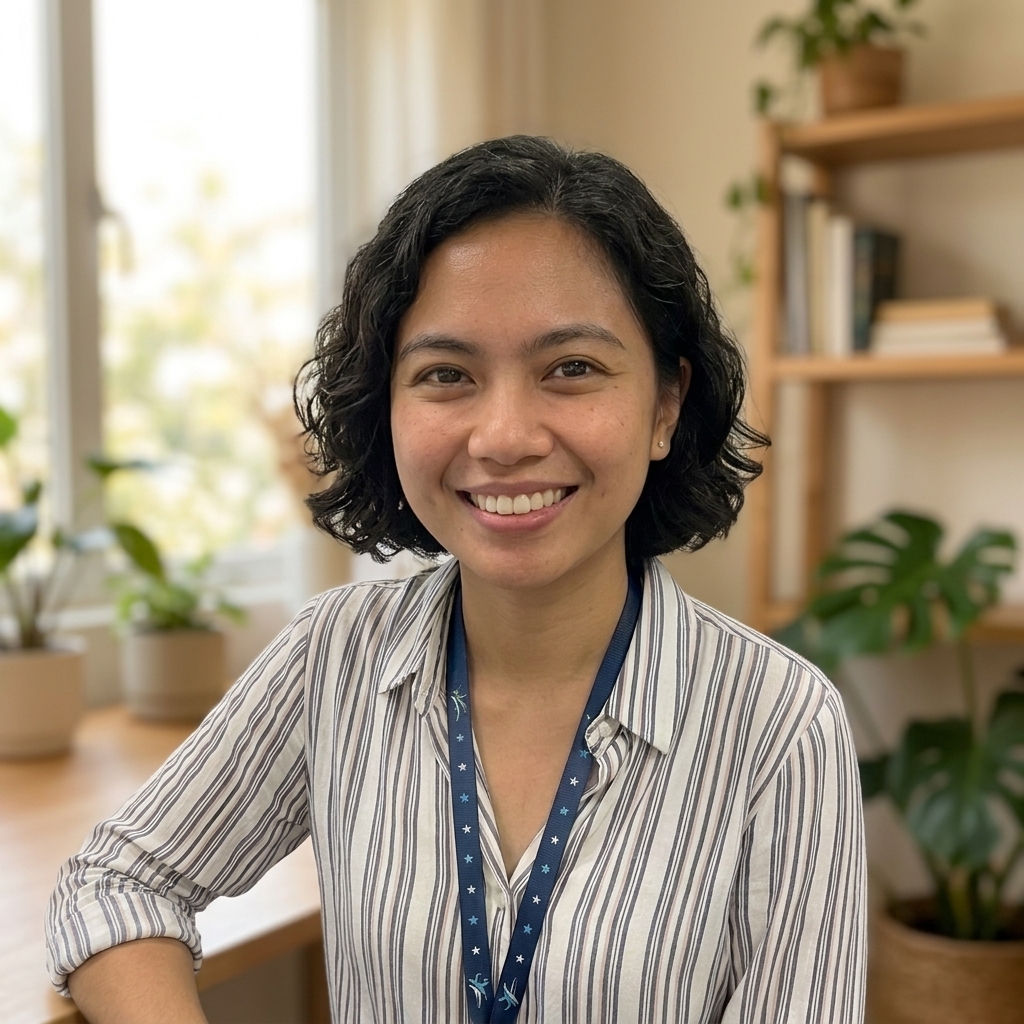
Sofia Reyes is a Content Writer and SEO Specialist at Digital Minds BPO, where she focuses on outsourcing-industry research and educational content for business decision-makers. Based in the Philippines, she has 7 years of experience writing B2B content across SEO, content strategy, and Generative Engine Optimization (GEO). Sofia partners with Digital Minds BPO’s operations and account management teams to translate 15+ years of frontline BPO experience into clear, sourced guides on call center, customer service, and back-office outsourcing. Her work supports prospects evaluating outsourcing decisions across the company’s three dedicated facilities, where the team delivers a 94% client retention rate for clients ranging from Fortune 500 enterprises to growth-stage businesses.